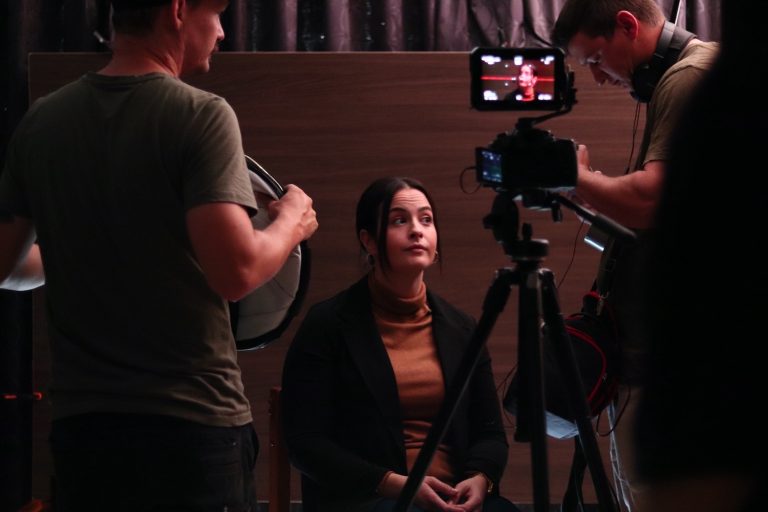
Mastering the Art of Film Pitching as a Director
Presenting an engaging and convincing film pitch is an invaluable skill for any director. It’s about narrating your story cohesively, emotionally, and visibly. Make your pitch sharp, intriguing, and confident. Always anticipate inquiries and strive to foster a rapport with your audience. Remember, practice makes perfect, so rehearse until you own the pitch.
Profound Understanding of Your Film
Suffice it to say, as a director, knowing your film like the back of your hand is instrumental in delivering a successful pitch. This goes beyond just a rudimentary understanding of the characters and plot, but delves deeper into the themes, emotions, and your motivation for making the film. What is it about this story that resonates with you and, consequently, would engage the audience? Remember, people invest in people first, and projects second. So, make it personal.
Presenting Your Story
Once you have a thorough grasp of your film’s themes and story, the next step is to articulate these features in the most effective manner. The duration of your initial pitch might typically range from 5 to 15 minutes, so each moment is precious. Your presentation should capture the crux of the film swiftly, followed by a concise synopsis that sets the tone and unveils the core emotion. The use of visual aids like mood boards and reference videos can enhance your pitch and make it more impactful.
Confidence and Connection
Your attitude during the pitch often times carries more weight than the actual content. Exhibiting enthusiasm, confidence and clarity in your presentation can make a lasting impression on your listeners. Balance your passion with coherence and maintain eye contact to foster a connection with the audience. Don’t shy away from showcasing your personality and be prepared to field any incoming inquiries about your proposal. Communication and collaboration are the keys to effective pitching.
The Power of a Solid Pitch
Real-world examples are testament to the fact that a compelling pitch can be a game changer. Renowned directors such as Guillermo del Toro and Ava DuVernay have openly discussed the significance of personal truth, clarity and emotional connection in film pitching. It’s not just about your skill as a director but also about the unique narrative you bring to the table.
The Digital Pitch
In the digital age, platforms like Stage 32 and YouTube have made it possible for filmmakers to pitch their ideas online. Video pitches or visual teasers can do an extraordinary job of expressing your ideas. Yet again, keep it short and sweet; a two-minute video can be far more potent than a lengthy in-person presentation. Online resources are also available to enhance your understanding of the expectations from a pitch, thus honing your skills as a storyteller and communicator.
Learn from Each Pitch
Remember, not all pitchers hit a home run on the first swing. Many experienced filmmakers had to face several rejections before finally finding the right team that shared their vision. Each pitch, successful or not, is a learning experience and an opportunity to improve. Think of pitching as a practice run of your storytelling skills. It is about establishing a connection with the audience before the film is even brought to life.
Main Takeaways
You made it this far, let’s sum up some key points:
- Thoroughly understand your story.
- Presentation is key. Mood boards, clips and storytelling can make your pitch come alive.
- Confidence is indispensable. While important, perfection should not be an obsession.
- Practice and self-evaluation. Rehearsing your pitch and gaining feedback refines your overall output.
- Embrace change. Every pitch teaches us something new, regardless of the outcome.
Mastering the art of pitching can be the step that propels your filmmaking career forward. Remember, your success will be determined largely by how you tell your story. Give your audience a narrative that only you can deliver, and make them feel its significance.