Successful Directing Techniques for Untrained Actors
Directing untrained actors can be a daunting yet rewarding task. It requires a unique blend of patience, creativity, and leadership. Additionally, it necessitates focusing on establishing trust, promoting realism, ensuring preparation, and maintaining clear communication, all to elicit performances that are as natural and believable as possible. This article offers practical strategies and techniques to enhance performances by those who are new to the acting scene, drawing inspiration from successful examples in both classic and contemporary cinema.
Effective Casting and Realising a Clear Vision
Casting is critical when working with non-professional actors. The focus should not be on finding those who can easily act out emotions, but those who naturally embody the characters as written. Paying attention to each individual’s unique qualities, like their voice, mannerisms, and daily life behaviour, is crucial. Spending time with potential cast members, observing their modes of expression and unique traits, can provide valuable indications to guide your later directing. Choose a relaxed and informal audition process, more resembling a conversation than a test, to reduce stress and encourage authenticity.
Cultivating Trust and Comfort on the Film Set
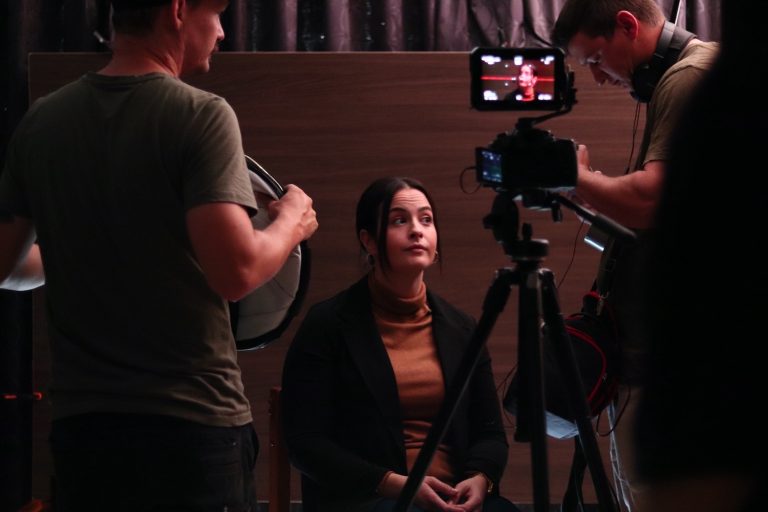
A movie set can be intimidating for newcomers. Creating a relaxed environment before expecting great performances is essential. Adopt an inclusive approach and make them feel they are part of the creative process, rather than just executors of orders. Simplify scenes instead of using complex acting jargon. Instead of demanding “greater intensity,” guide them to envision a relatable scenario like “imagine you’ve just lost something important, and you’re trying to retrieve it.” This helps performers connect emotionally with the scene without having to decode technical instructions. Initial performances may be a bit stiff, but as they relax and forget the presence of the camera, more genuine moments will unfold.
Implementing Improvisation and Personal Experiences
Improvisation is a powerful tool in directing non-professional actors. It assists them in becoming more at ease and enables the capture of natural expressions and dialogue. Have them express their true feelings about situational events. Encourage them to use their own words to enhance believability. Select authentic shooting locations that they are comfortable with, like a familiar café or park. Discuss similar experiences they have encountered to encourage realism when shooting emotionally intense scenes.
Simplifying Directions and Avoiding Extensive Rehearsals
Avoid over-direction; directors should focus on giving clear goals. For instance, instead of telling them to “display emotional stakes,” guide them with “you want your friend to stay.” Keep feedback as simple as possible and limit the frequency of rehearsals to avoid mechanical performances. Embrace an open mindset, allowing mistakes to occur, as they can sometimes yield the most authentic takes. Extended, uninterrupted takes help performers stay in the moment, often resulting in truly genuine dynamics.
Maintaining a Balance Between Realism and Story Structure
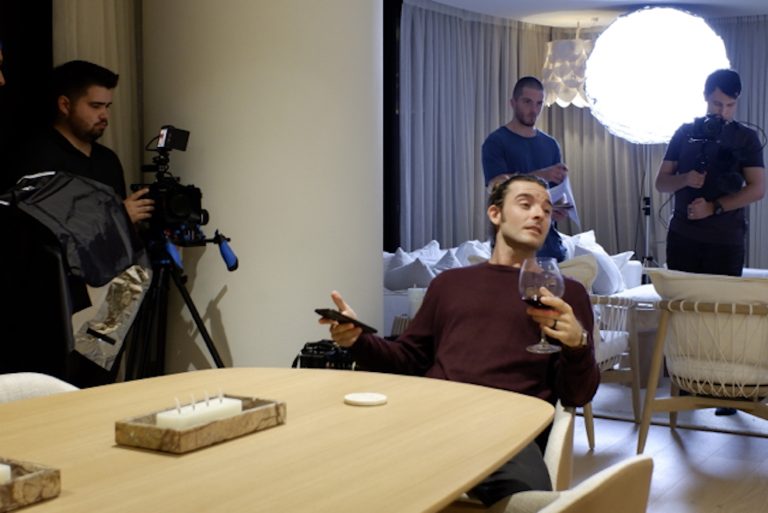
While achieving authenticity in your film is important, don’t overlook the necessity of maintaining a clear story structure. Plan how you’ll guide the actors through key emotional and plot points without seeming forced. Be patient and flexible, anticipating possible on-the-spot adjustments based on what feels real at the moment. Keep the set positive while maintaining a small, casual crew. Balance the performances’ authenticity with the cinematic storyline to create a captivating narrative.
In Conclusion
Guiding non-professional actors can do more than help you create a realistic film; it can also cultivate virtues such as patience, empathy, and problem-solving, equipping you for directing professionals in the future. When handled with sensitivity, your film can be bestowed with a level of authenticity that surpasses anything training can offer. Prioritize genuine performances over technical perfection for a truly engaging viewing experience for your audience.
Main Action Points
- Wise Casting: Select individuals based on the natural alignment with your characters.
- Trust Building: Generate a supportive environment on your film set.
- Realism Promotion: Use improvisation to allow actors to articulate their genuine feelings.
- Simple Direction: Provide clear and emotional goals to guide your actors’ performance.
- Mistake Acceptance: Embrace the unpredictability and occasional mistakes of the acting process.
In directing non-professional actors, the ultimate aim is to capture the essence of human truth. By practicing patience, curiosity, and maintaining emotional transparency, you will empower your cast to deliver a compelling performance that leaves a lasting impact on your audience.