Unraveling the Dissimilarities Between Film Production and Direction
The complex world of film creation revolves around two distinctive yet interlinked roles – those of a film producer and director. Get insights into how producers deal with the project’s management and logistical aspects, whereas directors delve into the realm of creativity and storytelling. For any budding filmmaker, a comprehensive understanding of these roles is critical for constructing compelling films that resonate with audiences. The manner in which a producer and director coordinate is the lynchpin in transforming raw ideas into engrossing cinematic experiences.
The Intricate Interplay BetweenDirecting and Producing in Films
For a cinema novice, the image of a director bellowing ‘action’ or orchestrating actors through heart-wrenching scenes may dominate their understanding of the filmmaking process. But the reality is that behind every successful director, there often lies a proficient producer whose expertise aligns resources, timelines, and investments to achieve a common vision. A clear perception of the fundamental differences between film producing and directing, their ensuing challenges and overlapping areas holds immense significance for any emerging filmmaker.
Producers vs. Directors – An Elementary Breakdown
To simplify, a producer forms the bedrock of a project, managing it from the get-go, ensuring resources are procured properly, timelines adhered to and the overall vision is well-communicated to all stakeholders. Their role covers a broad spectrum—from identifying suitable content and securing rights to it, to assembling the cast and crew, management of funds and budgets, directing team efforts, and overseeing the end-to-end production process.
In contrast, a director instills life into the script through their creative prowess. They control the narrative’s aesthetics and determine the performance of the actors and the visual effects, thus shaping the emotional experience for the audience. To succinctly put it – while a producer prepares the blueprint, the director brings it to life.
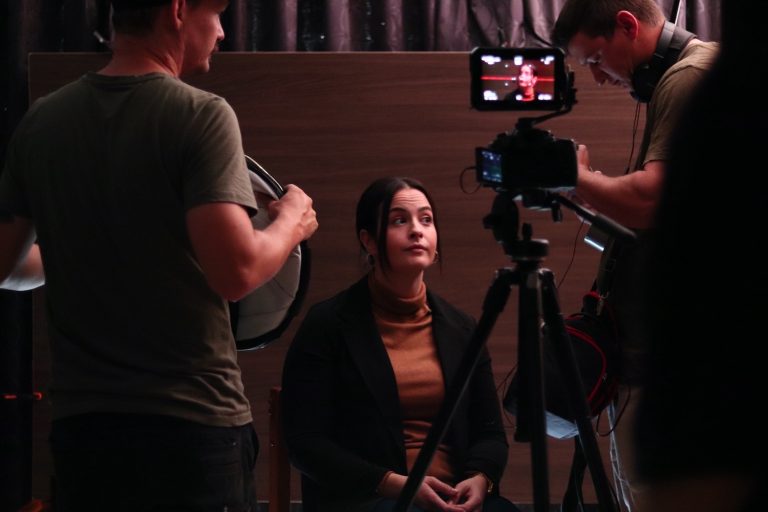
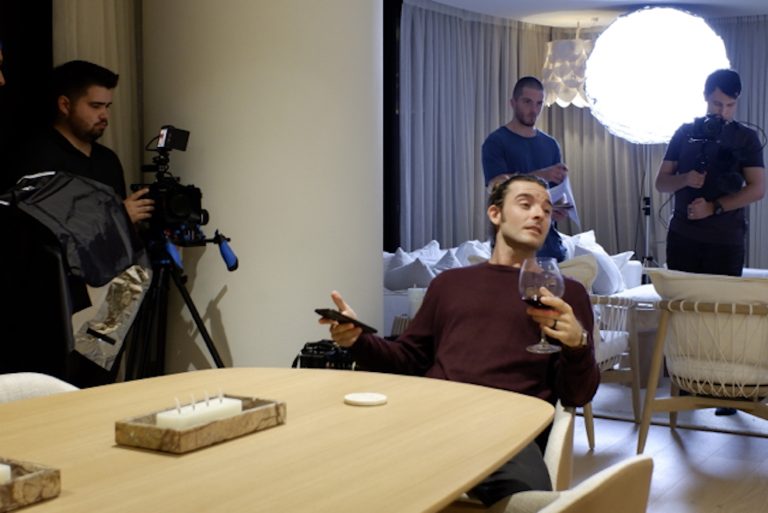
For anyone starting out in the film industry, the experience often involves multitasking as both a producer and director without even knowing they’re playing two roles. They act as a producer while in the pre-production stages—finding locations, securing funds, and during the film shoot planning scenes, working with actors, they don the hat of a director. As they undertake larger projects, these roles naturally become more specialized and efficient.
The Power of Successful Producer-Director Partnerships
The world of cinema is filled with examples of effective producer-director duos that created magic on the screen. Producers who comprehend the creative vision and successfully manage expenses lay the groundwork for crafting a successful film. Meanwhile, directors with a knack for working creatively within set boundaries keep up the artistic essence of the film. A film demands a balance between creativity and practicalities. An overemphasis on either can be detrimental. It’s the harmonious interplay between both these energies, fostered by good communication channels and mutual respect, that creates memorable cinematic experiences.
The journey of a novice filmmaker can get smoother if they gain a deep understanding of these roles early on, as it aids during collaborations or while delegating responsibilities. A competent producer can give a director breathing space, taking on tasks related to permissions, schedules, and budgets. If you’re inclined towards the producing side, keep in mind your insights and planning acumen are instrumental in enabling directors to focus solely on their creative tasks.
Evolve as a Filmmaker – Immerse Yourself in Both Areas
Explore behind-the-scenes content, interviews, and discussions on how seasoned professionals manage the producer-director relationship. It can offer immense learning opportunities to those starting out. Understanding how experts strike the right balance between creativity and practicality can be invaluable for beginners.
Practical Guidelines for Growth and Development
Here are some practical bits of advice to broaden your understanding:
- Strategic planning is crucial: Consider both your creative and logistical requirements before heading for the shoot. Decide who’ll control the schedules, budget, and permissions, and who’ll oversee the creative aspects. Document it for clarity.
- Keep a professional approach, irrespective of the scale: Be it a no-budget film, a professional approach can never be compromised. Create a detailed production plan, hold rehearsals, and review footage daily. Treating your small films professionally gears you up for bigger opportunities in the future.
- Experience both roles: The journey of a novice filmmaker often involves switching between being a producer and director. This can offer unique insights into how these roles complement each other, enhancing your skills to communicate clearly within larger teams.
- Foster trust within the team: Filmmaking is a team effort, and mutual respect can make the process more streamlined. A shared trust between a producer and director can exceed expectations.
- Leverage opportunities to learn from experts: Watch interviews, read blogs, and production reviews of prominent film festivals. The more you expose yourself to professional thought processes, the better you’ll get at managing your own projects.
Concluding Word
The debate of film production versus direction is nothing but a false dichotomy. Many filmmakers initially produce their own work as a means to kickstart their creative journey. Others start as producers and later move into direction when they discover interesting narratives to depict visually.
What’s paramount, however, is to appreciate the unique contributions both roles bring to the table. The more clearly you’re able to differentiate between the responsibilities, the more efficiently your production will run, leading to a better final product.
Key Takeaways:
- While producers handle organization, budget, and logistics, directors concentrate on storytelling, performance, and visual interpretation.
- Early exposure to both roles helps enhance your skills in either.
- Fostering good communication and building trust are pivotal for the success of a film project.
- Commence with small projects where both producing and directing roles can be managed effectively.
A deep understanding of film production and direction holds the key to translating your creative vision into reality, irrespective of your budget and experience level. With the right guidance and experience, the journey of filmmaking can be incredibly rewarding.