The Question of Film Production Education: Is a Diploma or Practical Experience the Superior Route?
The voyage into the world of film production often starts at a crossroads: Should you pursue a degree in film production or leap directly into hands-on, real-world experience? The ideal course can vary significantly from one individual to the next, as both educational paths yield unique knowledge and challenges. This in-depth exploration of both options will provide a comprehensive view to guide your decision-making process.
Advantages of a Film Production Degree
Enrolling in a film production degree program offers access to experienced mentors, structured learning environments, and industry-grade equipment. Film production courses teach you how to proficiently plan budgets, organize pre-production processes, schedule shoots, and lead a team. The bonds forged with classmates and teachers can evolve into professional connections or collaboration partners, enhancing your network within the industry.
Structured education lays a robust foundation for aspiring producers, fostering learning from freedom of experimentation and feedback in a controlled environment. However, the cost of formal education in film production often runs high, and some curriculum may not thoroughly cover the real-world pace and pressure of an on-set production environment.
Learning From Real-World Experience
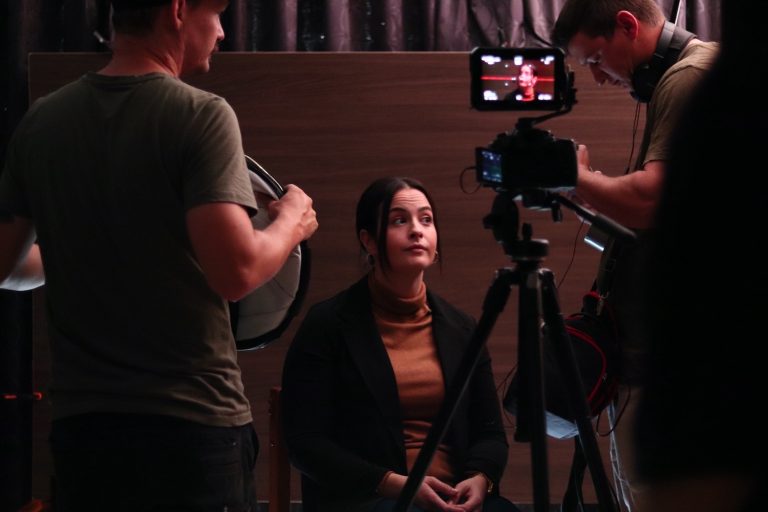
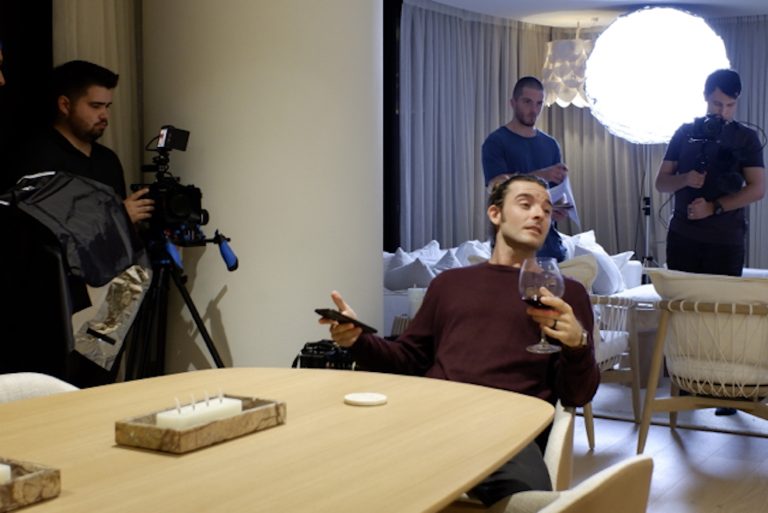
Immersing oneself directly into film production impels rapid, creative knowledge acquisition. Whether you’re producing a no-budget short film or volunteering on a set, each project offers unique challenges that exercise your skills and decision-making abilities. There’s no better teacher than experience when it comes to tackling obstacles like time constraints, missing equipment, or handling tough personalities.
On-site exposure aids in establishing professional credibility, comprehension of day-to-day producer responsibilities, and habit development. Established producers worldwide owe their success stories to gaining experience through minor opportunities and driving their passion projects without formal degrees. This hands-on approach often propels learning faster than traditional classroom environments.
Blending Formal Education and Real-World Experience
The most pragmatic approach for novice filmmakers is often melding pathways. A balance of theoretical study and hands-on practice ensures holistic development. Begin producing films while studying. Each error transforms into a teachable moment, fostering patience, resilience, and problem-solving skills. This blend ensures flexibility and adaptability, crucial traits for a successful producer.
The role of a producer transcends managing budgets and timelines. It encapsulates leadership, empathy, and communication, traits forged and fortified in real-world experiences. Your adaptability and collaborative efforts in demanding environments can often hold more value than your technical prowess alone.
Further Resources
If traditional education isn’t feasible, find solace in the wealth of free and affordable online resources. Websites offer filmmaking tutorials, insights, and professional case studies. These platforms can bolster your knowledge, confidence, and augment your decision-making abilities.
The Power of Real-World Experience: Case Studies
Consider a theoretical comparison between two aspiring producers: One opts for formal education, works on multiple student projects, and leverages them to enter film festivals. The degree imparts industry-specific language fluency, providing credibility during initial project pitches.
Conversely, the second producer forgoes formal education, assisting small local shoots while gradually building a portfolio. Learning on-site, networking, and launching their web series, they also eventually achieve success. The essential takeaway from these scenarios is not the path chosen but the commitment, learning attitude, and power to create opportunities.
Conclusion
Irrespective of the path you choose, remember that the film industry favors those who take action. Theories might drive your understanding, but it’s action that brings those theories to fruition. Gain diverse knowledge, garner diverse experiences, and let your work represent your role as a filmmaker. Remember, balance is key: formal education paired with real-world experiences often makes for the most rounded professionals.
In the debate of pursuing a film production degree versus garnering real-world experience, the key to succeeding in filmmaking lies in constant curiosity, persistence, and an unwavering appetite for creation. Utilize both paths as blended learning opportunities and expand your career one project at a time.