Exploring Film Directing Workshops for Beginners
Embarking on a journey into film directing is both exciting and challenging. For beginners, workshops offer a structured way to learn the craft, gain hands-on experience, and connect with like-minded individuals. This article explores the benefits of film directing workshops, highlights key programs, and provides practical tips to help you get started.
Why Attend a Film Directing Workshop?
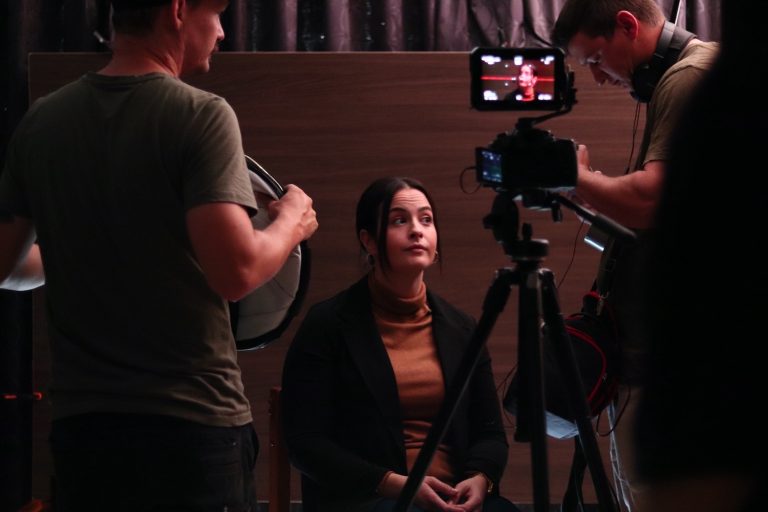
Film directing workshops are designed to introduce newcomers to the art and science of directing. They offer a blend of theoretical knowledge and practical experience, allowing participants to understand the director’s role in bringing a story to life. These workshops often cover essential topics such as script analysis, shot composition, working with actors, and the technical aspects of filmmaking.
One significant advantage of attending a workshop is the opportunity to collaborate with peers. Filmmaking is inherently a team effort, and workshops provide a platform to build relationships with other aspiring filmmakers, actors, and crew members. This networking can lead to future collaborations and a supportive community as you progress in your career.
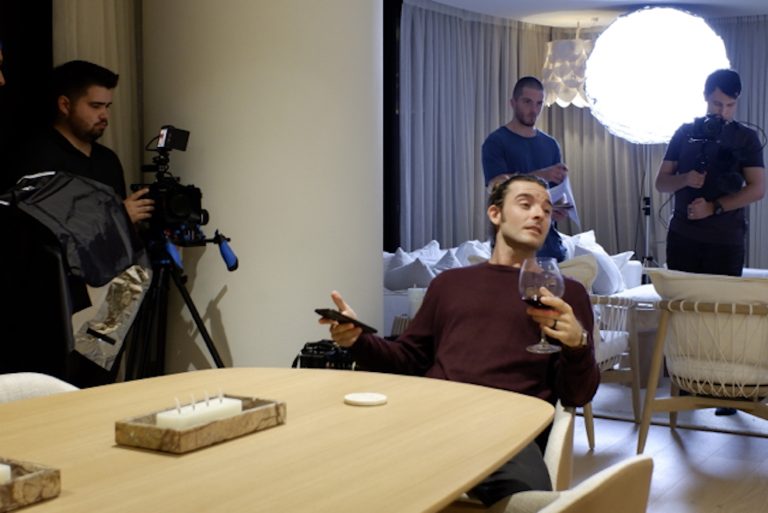
Moreover, workshops often culminate in the creation of short films or projects, allowing participants to apply what they’ve learned and build a portfolio. This hands-on experience is invaluable, as it not only reinforces learning but also provides tangible work to showcase to potential employers or collaborators.
Notable Film Directing Workshops
Several institutions and programs worldwide offer film directing workshops tailored for beginners. Here are a few notable examples:
– **MZed’s Fundamentals of Directing**: This online course, offered by the International Film Institute of NY, provides an introduction to the craft of directing. It’s suitable for beginners and covers the basics of film directing, including script analysis and working with actors. The course is available for a monthly subscription or a one-time fee. ([mzed.com](https://www.mzed.com/courses/fundamentals-of-directing?utm_source=openai))
– **Udemy’s Movie Directing Made Simple**: This course teaches how to be a movie director and work with actors and a production crew professionally. It covers creating shot lists, guiding actors, and leading a cohesive production. No prerequisites are required, making it accessible for beginners. ([udemy.com](https://www.udemy.com/course/how-to-direct-movies/?utm_source=openai))
– **Prague Film Institute’s Semester Directing Course**: This hands-on, full-time program is suitable for beginners and includes directing up to 10 short films, culminating in a high-production-value film. The course covers the entire filmmaking process from pre-production to post-production. ([praguefilminstitute.cz](https://www.praguefilminstitute.cz/semester-directing-course/?utm_source=openai))
– **Australian Film Television and Radio School’s Intro to Directing**: This course explores the role of a director and how they influence screen storytelling. It covers all facets of directing, including coverage, visual storytelling, acting, and on-set procedures. The course is available online and in person. ([aftrs.edu.au](https://www.aftrs.edu.au/short-course/intro-to-directing/?utm_source=openai))
– **London Filmworks’ Beginners Film School**: This intensive two-week course is aimed at those with little or no practical filmmaking experience. It covers directing actors, cinematography, production etiquette, and editing, providing a comprehensive foundation for aspiring filmmakers. ([lfw.org.uk](https://lfw.org.uk/course/beginners-film-school/?utm_source=openai))
These programs offer a range of options, from online courses to in-person workshops, catering to different learning preferences and schedules.
Practical Tips for Aspiring Directors
Beyond formal education, there are several steps you can take to develop your directing skills:
– **Practice with Short Films**: Start by creating short films to experiment with storytelling, camera angles, and working with actors. This hands-on practice is crucial for honing your craft.
– **Study Films and Directors**: Analyze films from directors you admire. Pay attention to their storytelling techniques, shot composition, and how they work with actors. This study can provide inspiration and insight into effective directing.
– **Build a Network**: Connect with other filmmakers, actors, and crew members. Collaborating on projects can provide valuable experience and open doors to new opportunities. Attending film festivals, workshops, and industry events can help you meet like-minded individuals.
– **Create a Director’s Reel**: Assemble a portfolio showcasing your best work. A well-crafted reel demonstrates your directing style and capabilities to potential employers or collaborators. Include a variety of projects to highlight your versatility.
– **Submit to Film Festivals**: Entering your films into festivals can provide exposure and feedback. Acceptance into a reputable festival can boost your credibility and lead to networking opportunities. Research festivals that align with your film’s genre and style.
For a visual guide on starting your journey as a film director, consider watching the following video:
This video provides additional insights and practical advice for aspiring directors.
Next Steps
– **Research and Enroll in a Workshop**: Choose a film directing workshop that suits your learning style and schedule.
– **Start Creating**: Begin working on short film projects to apply your learning and build your portfolio.
– **Network**: Attend industry events, join filmmaking groups, and connect with peers to build relationships and collaborate on projects.
– **Study Films**: Watch and analyze a variety of films to understand different directing styles and techniques.
– **Seek Feedback**: Share your work with mentors and peers to receive constructive criticism and improve your skills.
Embarking on a career in film directing requires dedication, continuous learning, and practical experience. By participating in workshops and actively engaging in the filmmaking community, you can develop the skills and connections necessary to succeed in this dynamic field.